Product‑led & B2B
Coverage areas
Domains, social, app stores (scoped to your program)
Delivery
Platform workflows + optional managed services
Outputs
Prioritized queues, evidence, takedown tracking
Coverage
Threat patterns programs typically monitor
Programs are tuned to your marks and channels; the list below reflects common categories teams prioritize.
Web impersonation & lookalike hosts
Domains and pages that mimic your login, checkout, or support experiences-prioritized by live content and customer impact.
Brand misuse in social & marketplaces
Impostor profiles, scam storefronts, and misleading listings that borrow your name, marks, or creative assets.
Mobile abuse surfaces
Suspicious or misleading app listings that could confuse users alongside your legitimate mobile footprint.
Scam campaigns & lures
Promotions, giveaways, and messaging that funnel victims toward fraud-often crossing email, web, and social.
Executive & VIP impersonation
Personas and channels pretending to be leadership or finance personas to pressure employees or partners.
Operational evidence & takedowns
Repeatable documentation and status tracking for hosts, registrars, and platforms so actions are defensible and auditable.
How B2B programs stay ahead of template kits
Attackers clone trusted login chrome and partner portals at scale. Strong programs combine registration signals with content similarity tuned to your product surfaces.
Signals that match how SaaS is phished
Certificate transparency, DNS, and redirect chains often surface impersonation before victims report it. Pair those signals with page‑level similarity to your legitimate auth and billing experiences.
Workflows product security can own
Hand off prioritized queues to engineering‑adjacent owners, document partner‑spoofing separately from end‑user scams, and keep takedown status visible for customer support escalations.
Coverage areas
Login lookalikes, fake “billing” portals, and scams targeting admins with OAuth‑themed lures. After launches or funding announcements, watch for typosquats and lookalike docs or “security” portals aimed at IT buyers.
Partner and ecosystem risk
Fake integration directories, spoofed partner onboarding pages, and phishing that cites real customer logos need fast coordination with alliances and support. One timeline reduces duplicate tickets across GTM and security.
Protect revenue and customer trust
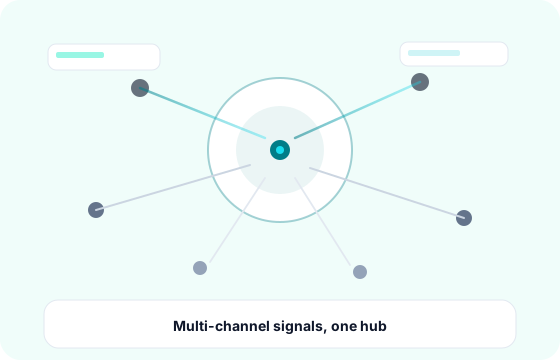
See how PhishEye centralizes detections, evidence, and takedowns so security, fraud, and brand teams share one operational picture.
FAQs
Common questions
Why are login lookalikes especially risky for SaaS?
Should product launches change monitoring scope?
How does this relate to customer trust centers?
Explore further
Related pages
Ready to scope a program for your marks and channels?