

Banks, fintech & wealth
Coverage areas
Domains, social, app stores (scoped to your program)
Delivery
Platform workflows + optional managed services
Outputs
Prioritized queues, evidence, takedown tracking
Coverage
Threat patterns programs typically monitor
Programs are tuned to your marks and channels; the list below reflects common categories teams prioritize.
Web impersonation & lookalike hosts
Domains and pages that mimic your login, checkout, or support experiences-prioritized by live content and customer impact.
Brand misuse in social & marketplaces
Impostor profiles, scam storefronts, and misleading listings that borrow your name, marks, or creative assets.
Mobile abuse surfaces
Suspicious or misleading app listings that could confuse users alongside your legitimate mobile footprint.
Scam campaigns & lures
Promotions, giveaways, and messaging that funnel victims toward fraud-often crossing email, web, and social.
Executive & VIP impersonation
Personas and channels pretending to be leadership or finance personas to pressure employees or partners.
Operational evidence & takedowns
Repeatable documentation and status tracking for hosts, registrars, and platforms so actions are defensible and auditable.
What mature financial programs emphasize
Coverage breadth matters, but exams and boards ask for evidence, ownership, and timelines. These pillars keep security, fraud, and communications aligned.
Customer‑visible harm first
Prioritize domains and pages that mimic retail and commercial journeys, payment flows, and support experiences. Severity maps to where losses and complaints concentrate, not only where trademarks overlap.
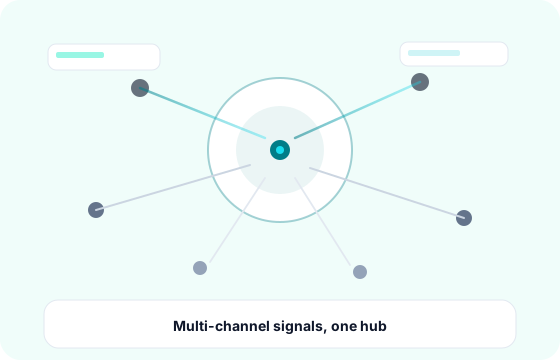
Evidence your risk committee can trace
Exports should show detection, triage, provider outreach, and customer‑visible outcomes. That narrative supports fraud partnerships, third‑party messaging, and supervisory questions without ad hoc slide rebuilds.
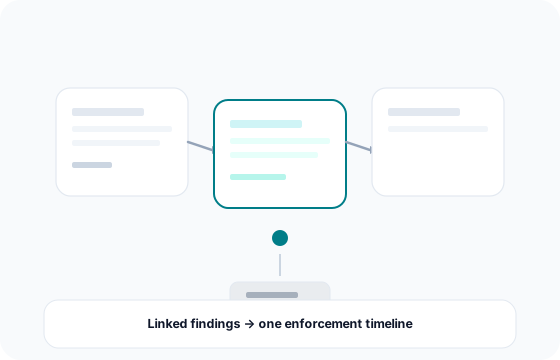
Typical use cases
Lookalike banking domains, fake investment portals, and scams piggybacking viral payment products. Teams also watch for abuse tied to BNPL, crypto‑adjacent offers, and impersonation of regulated subsidiaries.
How teams adopt PhishEye
Connect abuse intelligence to fraud operations and third‑party messaging teams. Route high‑severity cases through agreed escalation paths, and export timelines for exam readiness when leadership needs a defensible paper trail.
Protect revenue and customer trust
See how PhishEye centralizes detections, evidence, and takedowns so security, fraud, and brand teams share one operational picture.
FAQs
Common questions
How does digital risk protection map to fraud and compliance needs?
Can we prioritize retail versus commercial customer scams?
Do you support multi-brand banking groups?
Explore further
Related pages
Ready to scope a program for your marks and channels?