

Retail & online brands
Coverage areas
Domains, social, app stores (scoped to your program)
Delivery
Platform workflows + optional managed services
Outputs
Prioritized queues, evidence, takedown tracking
Coverage
Threat patterns programs typically monitor
Programs are tuned to your marks and channels; the list below reflects common categories teams prioritize.
Web impersonation & lookalike hosts
Domains and pages that mimic your login, checkout, or support experiences-prioritized by live content and customer impact.
Brand misuse in social & marketplaces
Impostor profiles, scam storefronts, and misleading listings that borrow your name, marks, or creative assets.
Mobile abuse surfaces
Suspicious or misleading app listings that could confuse users alongside your legitimate mobile footprint.
Scam campaigns & lures
Promotions, giveaways, and messaging that funnel victims toward fraud-often crossing email, web, and social.
Executive & VIP impersonation
Personas and channels pretending to be leadership or finance personas to pressure employees or partners.
Operational evidence & takedowns
Repeatable documentation and status tracking for hosts, registrars, and platforms so actions are defensible and auditable.
From discovery to takedown under peak load
Retail abuse spikes around launches and holidays. Programs need triage that protects conversion and loyalty without drowning analysts in noise.
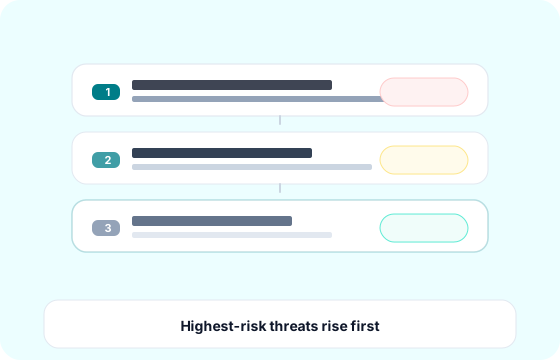
Prioritize checkout and support mimics
Fake clearance portals, spoofed order‑status pages, and scam “customer service” hubs directly hit revenue and NPS. Similarity and payment‑adjacent signals should float those cases ahead of low‑risk parking noise.
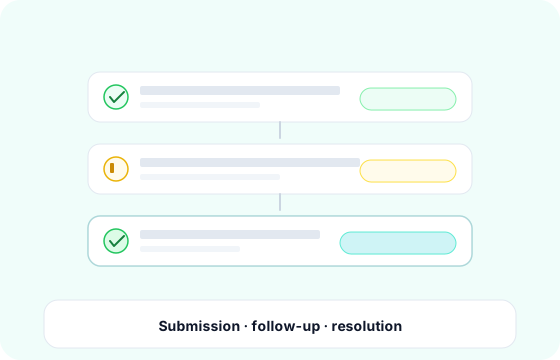
Sustain enforcement through the surge
Automation can draft evidence and route repeat hosts; analysts focus on stubborn providers and coordinated campaigns. Track partial mitigations and recycle so merchandising and PR see honest closure, not ticket volume alone.
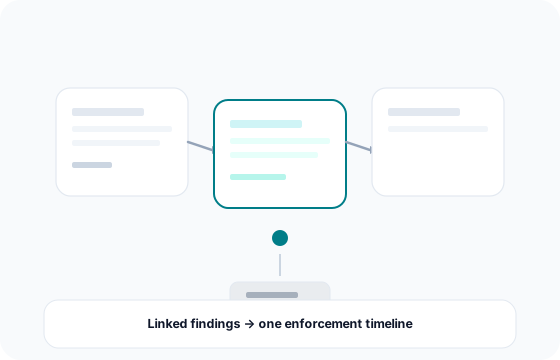
What hurts revenue
Coupon phishing, fake clearance sites, and counterfeit pages that rank in search or ride on SMS campaigns. Social storefronts and marketplace copycats often point to off‑platform payment scams, link those assets in one case file when possible.
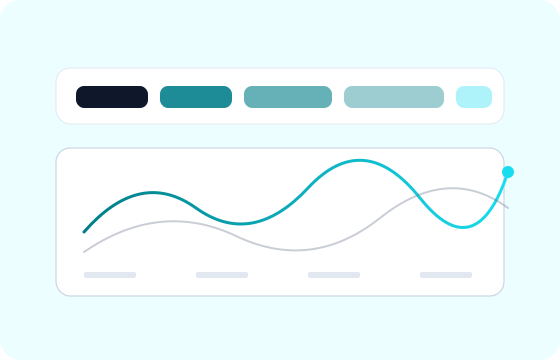
Peak‑season readiness
Before major sales, widen watchlists, shorten triage SLAs for payment‑adjacent alerts, and align comms on what “resolved” means for customers. Post‑event reviews should capture recycle patterns for the next cycle.
Protect revenue and customer trust
See how PhishEye centralizes detections, evidence, and takedowns so security, fraud, and brand teams share one operational picture.
FAQs
Common questions
What seasonal spikes should e‑commerce teams expect?
How do we protect checkout flows specifically?
Who usually owns the budget-security or marketing?
Explore further
Related pages
Ready to scope a program for your marks and channels?