
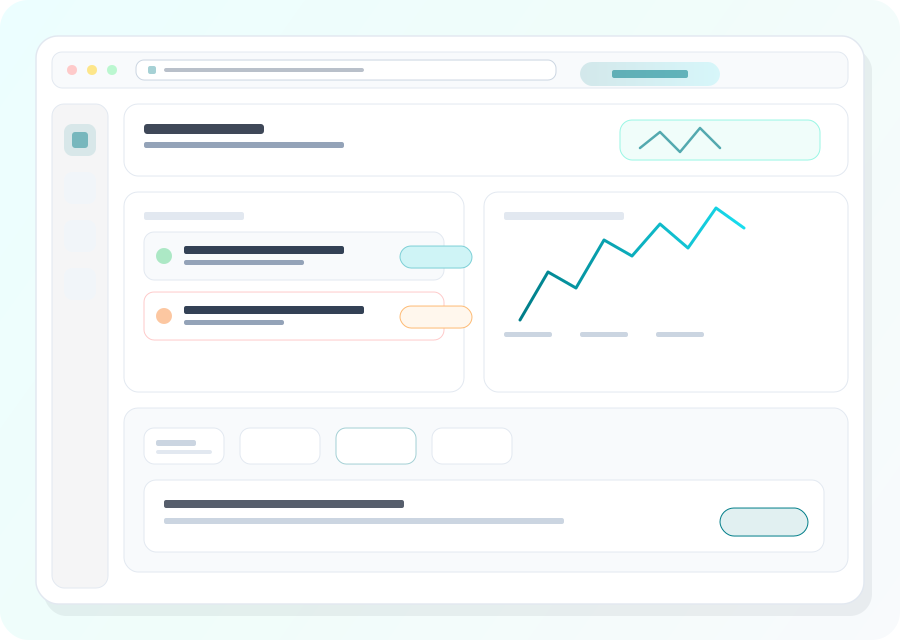
Coverage areas
Domains, social, app stores (scoped to your program)
Delivery
Platform workflows + optional managed services
Outputs
Prioritized queues, evidence, takedown tracking
Coverage
Threat patterns programs typically monitor
Programs are tuned to your marks and channels; the list below reflects common categories teams prioritize.
Web impersonation & lookalike hosts
Domains and pages that mimic your login, checkout, or support experiences-prioritized by live content and customer impact.
Brand misuse in social & marketplaces
Impostor profiles, scam storefronts, and misleading listings that borrow your name, marks, or creative assets.
Mobile abuse surfaces
Suspicious or misleading app listings that could confuse users alongside your legitimate mobile footprint.
Scam campaigns & lures
Promotions, giveaways, and messaging that funnel victims toward fraud-often crossing email, web, and social.
Executive & VIP impersonation
Personas and channels pretending to be leadership or finance personas to pressure employees or partners.
Operational evidence & takedowns
Repeatable documentation and status tracking for hosts, registrars, and platforms so actions are defensible and auditable.
What we look for
Handle similarity, stolen avatars, scam funnels in bios, and coordinated networks pushing the same landing page.
From alert to platform action
PhishEye packages platform‑specific evidence to reduce back‑and‑forth. Track ticket IDs until resolution or escalation.
Protect revenue and customer trust
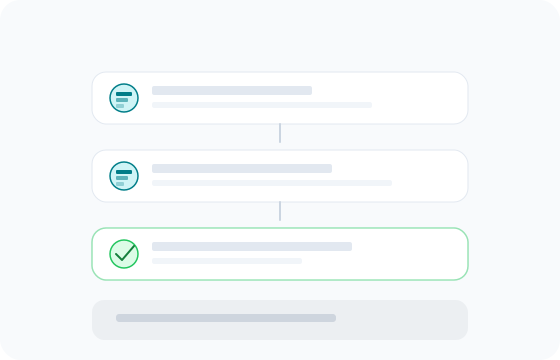
See how PhishEye centralizes detections, evidence, and takedowns so security, fraud, and brand teams share one operational picture.
FAQs
Common questions
Why is social-specific evidence important?
Do you only monitor major networks?
How do you handle coordinated scam rings?
Can social alerts tie to domains, apps, or phishing pages?
Ready to scope a program for your marks and channels?